How deep should fence posts be set, and why does it matter?+
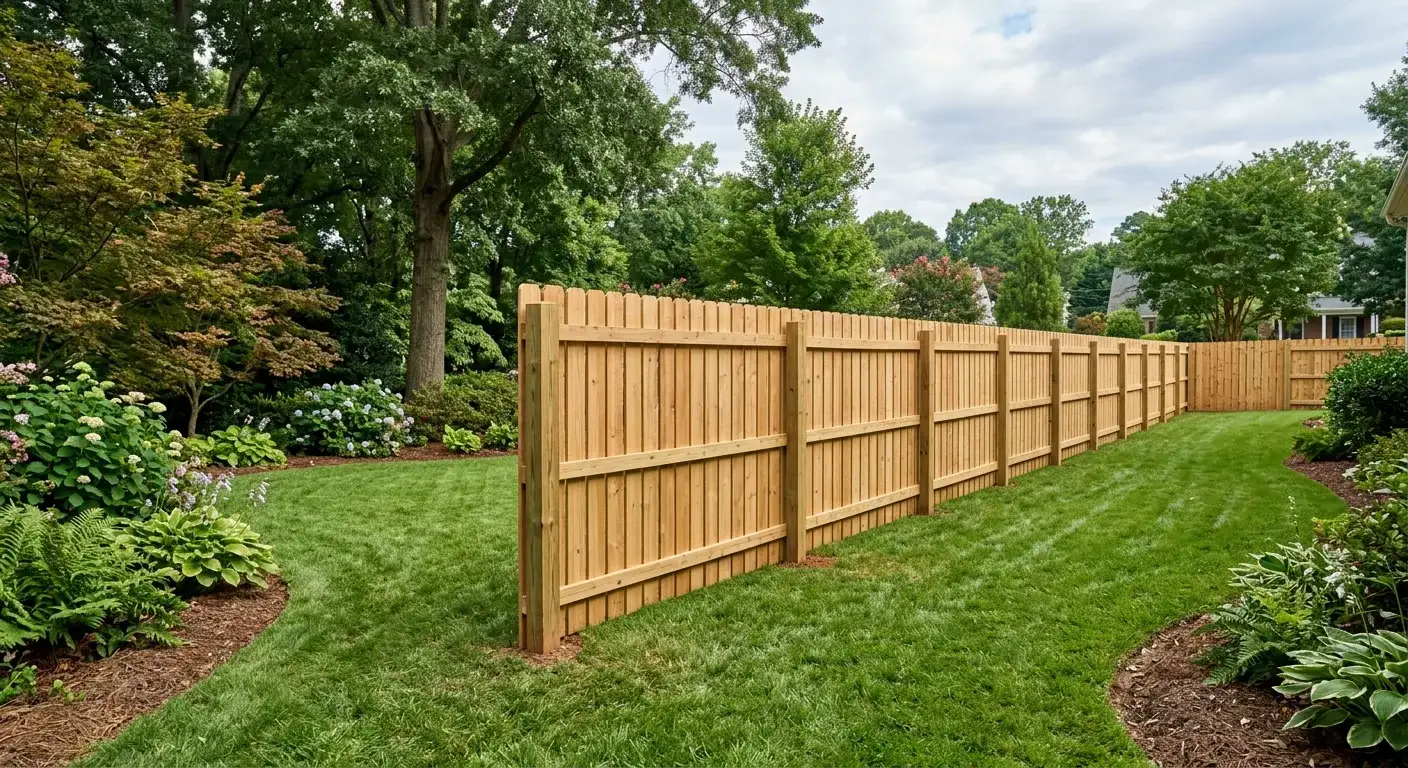
A general rule is one-third of the post's total length below grade. For a six-foot privacy fence, that means at least two feet of post in the ground, set in concrete. Posts that are undersized or set too shallow are the primary reason fences lean or fail prematurely. In clay-heavy soil, which is common in this region, proper depth and drainage around the post base matter even more.
How much does fence installation typically cost?+
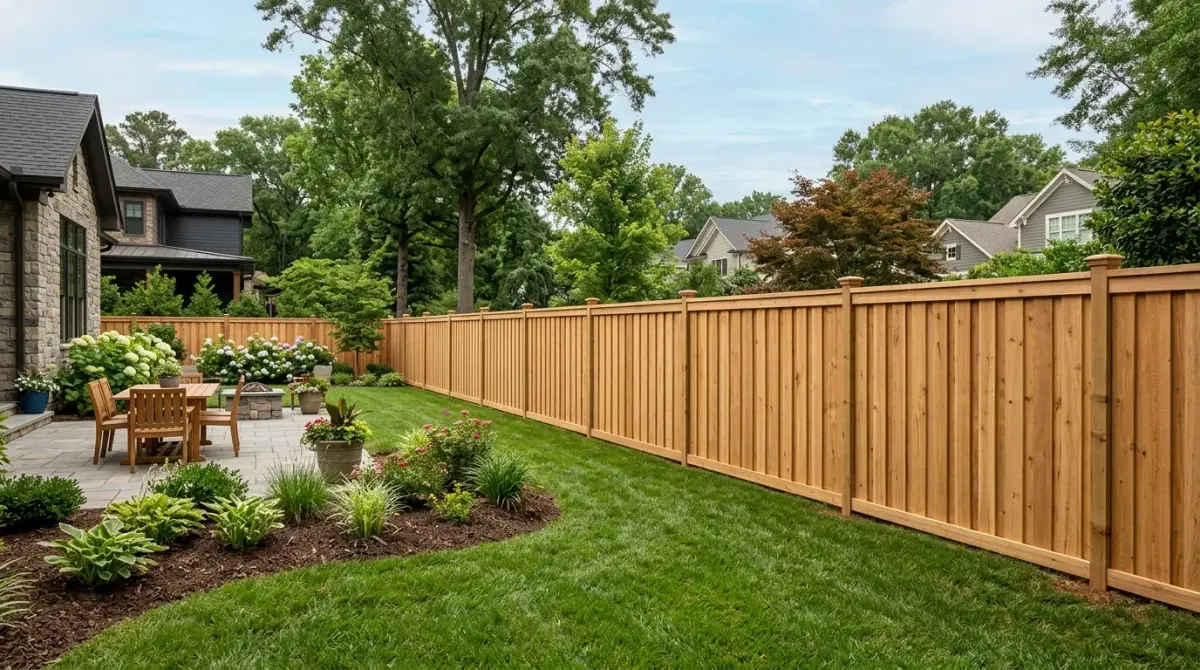
Fence installation costs vary based on linear footage, material, terrain, gate count, and whether old fencing needs removal. Wood privacy fencing typically runs less per foot than vinyl or aluminum. A straightforward residential installation might be a few thousand dollars; larger or more complex projects go higher from there. Every job is different, contact Greater Charlotte Contracting for an accurate estimate.
Do I need a permit to install a fence?+
It depends on where you live and how tall the fence is. Most municipalities in this region require a permit for fences above a certain height, and rules sometimes differ for front yards versus back. HOA guidelines add another layer if your neighborhood has them. We know what the local requirements look like and won't skip the permit step to save time on the front end.
What's the most durable fence material for hot, humid summers?+
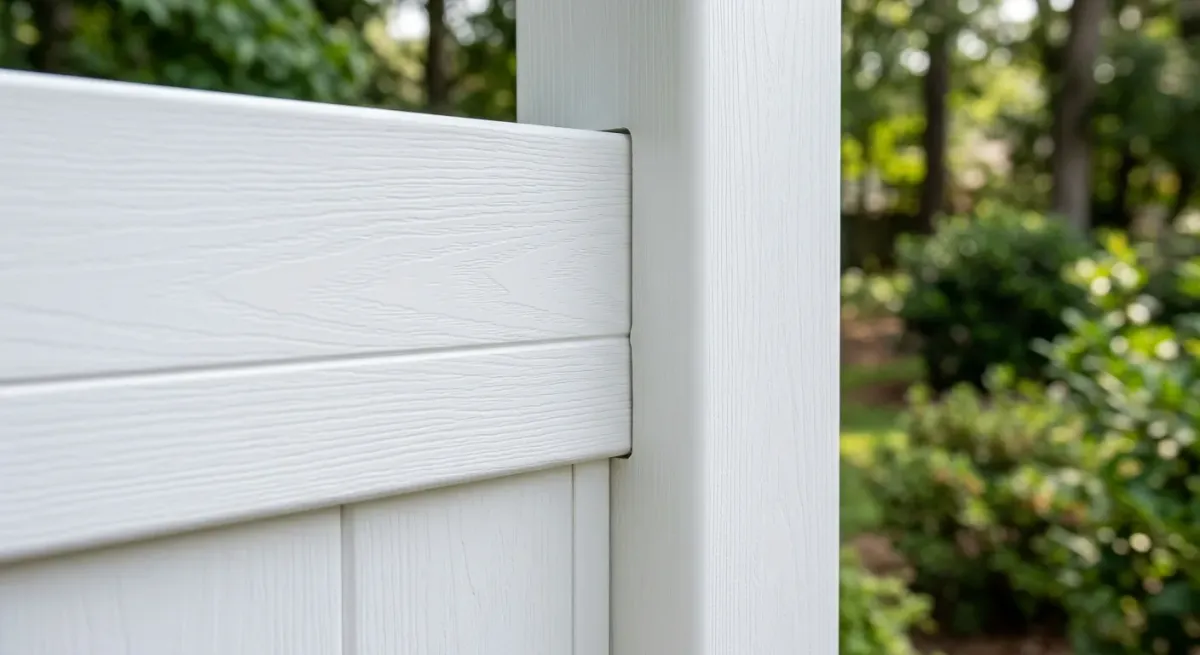
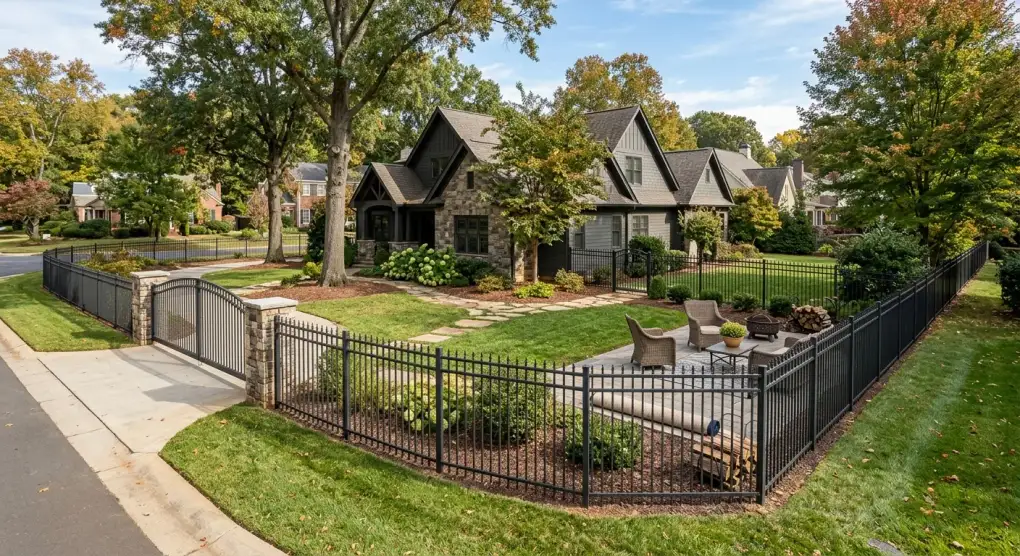
Vinyl and aluminum hold up the best in sustained heat and humidity without requiring regular maintenance. Cedar has natural oils that resist moisture and insects better than pine, so if you prefer wood, cedar is the smarter choice for this climate. Treated pine is a reasonable option, but it needs to be sealed consistently to avoid warping over time in Southern conditions.
What happens if my fence crosses onto a neighbor's property?+
It becomes a costly mistake. A fence installed even a foot over the property line may need to be removed and reinstalled at your expense. Before installation begins, we confirm property boundaries and flag any uncertainty about the line. If you don't have a recent survey, that's worth resolving before any posts go in the ground.
Can you remove an old fence and install a new one in the same project?+
Yes. We handle the removal of the existing fence, post extraction, and disposal as part of the overall scope. Old posts set in concrete require more effort to pull cleanly, which affects the timeline and scope slightly. We assess the existing conditions during the site walk and account for that in the estimate rather than discovering it mid-job.
Do I need a permit to install a fence on my property?+
It depends on your municipality and fence height. Most jurisdictions in this region require a permit for fences above a certain height, with different rules sometimes applying to front versus rear yards. HOA covenants add another layer in many neighborhoods. We know the local requirements and address the permit question before installation begins, not after something is already in the ground.
What is the most durable fence material for hot and humid climates?+
Vinyl and aluminum hold up the best without requiring consistent maintenance in heat and humidity. Cedar is the strongest wood choice because its natural oils resist moisture and insects better than pine. Treated pine is workable but needs to be sealed regularly to avoid warping in Southern conditions. We'll tell you honestly which material fits your situation and your budget.
What happens if a fence is installed on the wrong side of the property line?+
It becomes an expensive problem. A fence installed even slightly over the boundary may need to be fully removed and reinstalled at the homeowner's cost. We confirm property boundaries before any posts go in the ground, and if there's uncertainty about the line, we flag it early. A recent survey is worth having before starting a perimeter fence project.
Can old fence removal and new installation be handled together?+
Yes. Removal of the existing fence, post extraction, and disposal are part of the overall scope we assess during the site walk. Posts set in concrete take more effort to pull cleanly and affect timeline slightly. We account for the existing conditions in the estimate upfront rather than treating the demo as a surprise once work starts.
How long does a residential fence installation typically take?+
A standard residential perimeter fence for an average-sized backyard is generally a one-to-two-day installation once materials are on-site. More gates, difficult terrain, or removal of a substantial old fence can extend that. We give you a realistic timeline before starting, not a best-case-scenario number that erodes confidence the moment something takes longer than expected.